
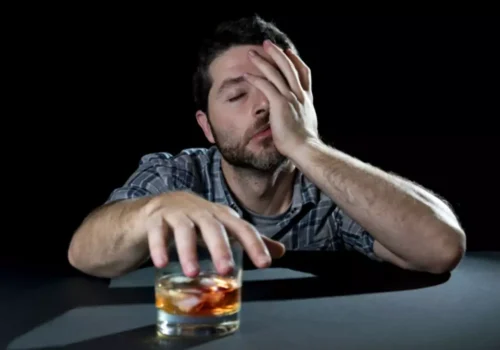
The best estimate may come from a report published in the Lancet, which concluded that consuming ten to 15 alcoholic drinks per week could take one to two years off your lifespan. Another study in the National Library of Medicine states the life expectancy for men with alcohol use disorder (AUD) is only 47 to 53 years, while women with AUD live only 50 to 58 years, on average. Heavy drinking has been linked to several cardiovascular problems, such as heart disease, atrial fibrillation, high blood pressure, and cardiomyopathy, all of which can be fatal.
Coolness Isn’t About Looks or Money. It’s About These Six Things, According to Science

Excessive drinking is the habit of over-drinking on a single occasion (binge drinking) or consuming too many alcoholic beverages per week. The habit does not constitute alcoholism, per se, but it can lead to alcohol use disorder if the individual is unable to curtail his/her habit. Of course, cocaine itself is not always the direct cause of death for cocaine addicts. The lowered life expectancy of a coke addict is also impacted by taking increased risks and using other Drug rehabilitation substances. Drinking alcohol to excess can cause other serious health conditions, such as cardiomyopathy (where the heart muscle is damaged and can’t work as efficiently as it used to) and arrhythmias (abnormal heart rhythms).
Scientists Have Figured Out Exactly How Much Time Drinking Takes Off Your Life
- A common reason for health concerns and deaths from alcohol addiction is liver disease.
- At New Breath Recovery, we offer personalized drug and alcohol addiction treatment options tailored to each patient’s unique condition and needs.
- The areas most likely impacted include the mouth, throat, liver, colon, and esophagus.
- Reframe supports you in reducing alcohol consumption and enhancing your well-being.
- Aside from quitting or cutting back on alcohol, we can boost our longevity by reducing stress, eating a balanced diet, exercising, and maintaining meaningful relationships.
When we drink, alcohol disrupts our hormones, which control our emotions and stress response. Specifically, alcohol temporarily increases levels of serotonin and dopamine, our brain’s “feel-good” hormones, which is why we initially feel a sense of euphoria or pleasure when drinking. Alcohol also lowers our inhibitions and impairs our perception of stressors, which may explain why we feel less stressed when drinking. Effects of alcohol were worse for beer and spirit drinkers, compared with those drinking wine, and for binge drinkers, compared with those who drink the same amount more evenly over the course of a week.
- Unsurprisingly, people who are dependent on opioids will see a much shorter lifespan than those who are not.
- We offer alcohol and drug detox services, dual-diagnosis addiction treatment, medication-assisted treatment (MAT) and more.
- However, our results suggest that this “benefit” is outweighed by higher risks of stroke, heart disease, heart failure and death from any cause.
- As encouraging as this new research seems to be, there are contradictory data that challenge any suggestions that alcohol reduces the risks of cardiovascular disease.
Get Help for Alcohol Addiction at The Bluffs
The authors say their findings challenge the widely held belief that moderate drinking is beneficial to cardiovascular health, and support the UK’s recently lowered guidelines. The Bluffs is a private alcohol, substance abuse and mental health treatment facility located in central Ohio. On average, people who misuse alcohol can expect to how much does alcohol shorten your life live 24 to 28 fewer years than their non-drinking peers.

- This substance has the potential to cause significant harm to one’s health.
- This may be due to the impact of the COVID-19 pandemic, but it may also be attributed to the increased awareness of substance abuse and mental health that’s become a defining characteristic of Gen Z.
- “If you classify as a moderate drinker then you begin to see some of the negative effects of alcohol,” says Nicola.
- That said, it’s not a given that one glass of red wine will cut life short.
Gen Z’s shortened life expectancy may bear a correlation with the substance’s increasingly common prevalence in illicit drugs. It’s not uncommon for drugs to be laced with fentanyl due to its affordability, accessibility, and strong potential for addiction. In recent years, some counterfeit prescription drugs have even been reformulated and made with fentanyl in order to reduce costs and increase potency. Gen Z, who is more likely to abuse prescription drugs than other substances, is especially vulnerable to overdose deaths caused by this phenomenon. If Gen X was the first generation to have widespread access to cocaine and methamphetamines, Millennials were the first victims of the opioid overprescription epidemic. This has proven to be one of the deadliest drug abuse crises in history, with hundreds of thousands of people — many of whom are Millennials — dying due to an opioid overdose.
JAN